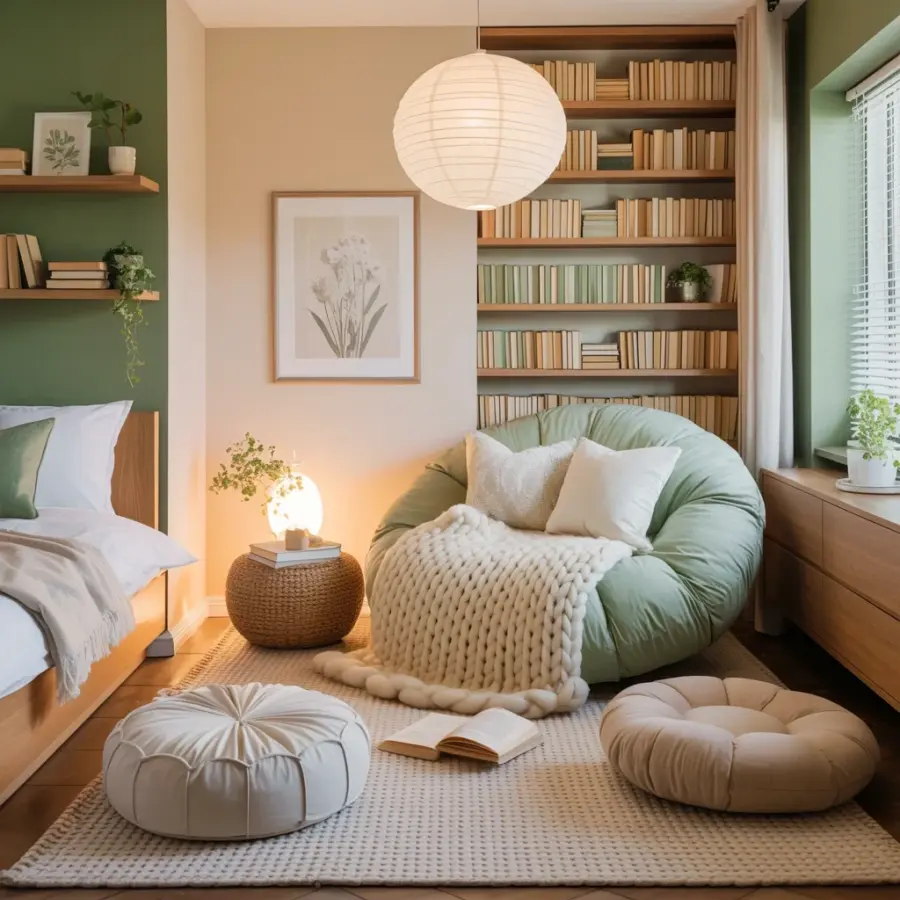
If you are looking for a Japandi bedroom rug moodboard that actually feels grounded and livable, you have come to the right place. Right now, as we move from late winter into early spring, the light changes, and so do our needs for rest. This season I find myself craving a floor that feels warm underfoot but also clean and uncluttered. A Japandi approach is perfect for that: it mixes the quiet restraint of Japanese design with the cozy functionality of Scandinavian homes. The result is a floor scheme that does not scream for attention but quietly holds the whole room together. Whether you are planning a full makeover or just want to refresh one corner, this guide walks through the specific choices that make a minimalist floor decor feel serene, not sterile.
Layering Rugs for Depth Without Clutter
In a Japandi bedroom, flat, even floor coverings can feel a little cold. That is where layering comes in. But layering does not mean piling on patterns. Think of it like stacking textures: a flatwoven jute rug as a base, then a smaller wool or cotton rug on top. The key is to keep the color stories tight. I use a natural sisal rug in a warm beige tone, then place a handwoven wool rug in a soft oatmeal shade near the bed. The difference in pile height adds visual interest without any busyness.
Layering also helps with practicality. A thin flatweave base rug can protect your floor, while the top rug takes the daily foot traffic. Because both rugs are neutral, they hide dust well and are easy to spot clean. Just make sure the top rug is not too thick at the edges, or it becomes a tripping hazard. A quarter-inch difference is enough to create that subtle layered look.
Neutral Tone Palettes That Feel Grounded
When people talk about neutral tones for a serene bedroom, they often go straight to white and gray. That can feel cold and unfinished, especially in a room meant for rest. Instead, look at colors found in nature: warm taupe, mossy beige, soft charcoal, and misty sage. These tones have a bit of life in them. They do not bounce harsh light around the room, they absorb it gently. A rug in a light coffee shade with subtle darker flecks can anchor the whole space.
I recommend sticking to two or three tones max for your floor decor. For example, a base rug in undyed jute (golden brown), a top rug in a grey-beige wool, and maybe a small sheepskin or cotton mat in ivory near the door. That is enough variation to feel curated, not chaotic. The trick is to avoid high-contrast combinations like black and white. They disrupt the calm flow that JapandiBedroom style is all about.
Natural Materials That Age Gracefully
Synthetic rugs can look great for a season, but they often fade or flatten within a year. In a minimalist floor decor scheme, you want pieces that get better with wear. Natural materials like jute, sisal, wool, and cotton have a soft, irregular texture that hides small stains and patinas beautifully. A wool rug in a light neutral will develop a gentle sheen over time, while a jute rug will soften underfoot without losing its structure.
For a Japandi bedroom rug ideas board, I always include a wool flatweave in a warm grey because wool naturally regulates temperature. It feels cool in summer and warm in winter. Sisal is another favorite because it is durable and has a very low pile, which makes it easy to vacuum. Just avoid pure jute for high-traffic areas near the bed, it can shed a lot in the first few months. A blend of jute and cotton is a smarter choice if you want that natural look without the mess.
How to Choose the Right Rug Size for a Minimalist Bedroom
A too small rug is the quickest way to make a serene room feel unbalanced. For a bedroom, the rug should extend at least 18 to 24 inches beyond each side of the bed. That gives you enough room to step onto a soft surface when you get up. For a queen bed, that usually means an 8×10 foot rug. For a king, go for a 9×12 or even a 10×14 if your room allows. Do not forget the foot of the bed. You want the rug to extend about 12 inches past the footboard, so you can walk around without hitting bare floor.
If you have a smaller bedroom, a 5×8 rug placed horizontally under the lower two thirds of the bed can work well. It saves floor space and creates a defined zone without overwhelming the room.
#JapandiBedroom #BedroomRugIdeas #MinimalistFloorDecor #MoodboardInspo #SereneBedroom
Leave a Comment